The most dangerous liability in the beauty business is no longer a bad product line. It is a celebrated founder. For years, venture capital fuelled a myth of the visionary solo genius, whose creative spark was worth more than mere profits. That era is over. The new arbiters of value are lenders and turnaround artists, installing professional managers where mystics once reigned.
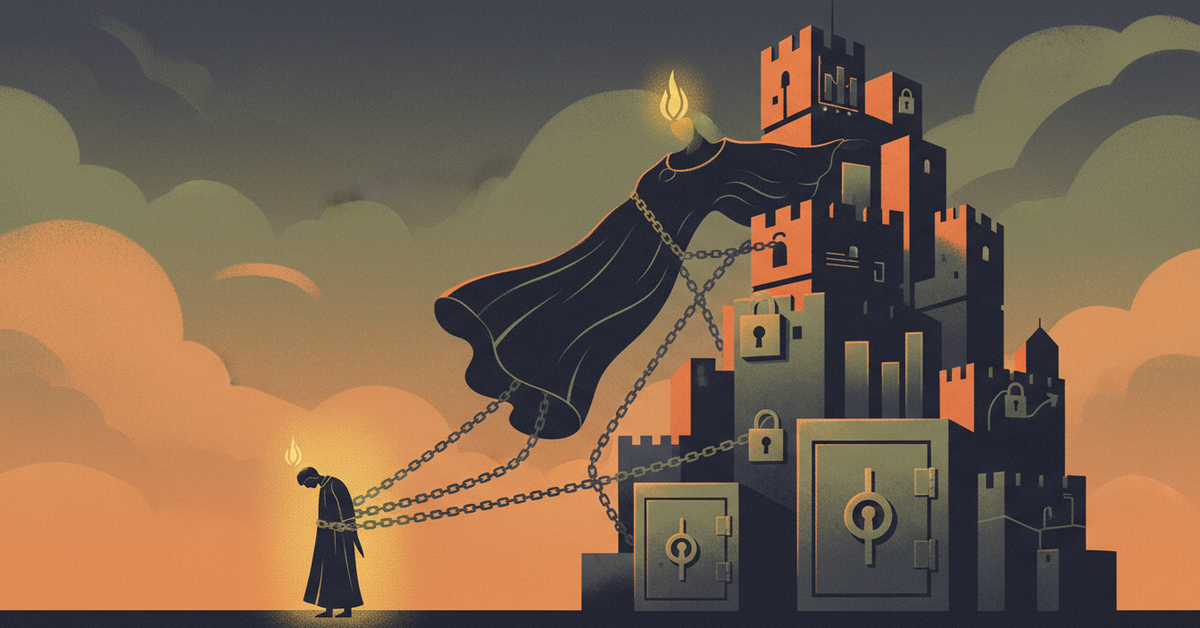
The brand built by Pat McGrath, the world’s most influential makeup artist, was once reportedly valued at over $1 billion. In January 2026 it filed for Chapter 11 bankruptcy. The restructuring was swift. GDA Luma, an affiliate of the brand’s lender, converted its debt into a controlling equity stake. Ms McGrath, the company’s namesake, was moved from chief executive to chief creative officer. The artist remains. The spreadsheet has taken charge.
This is not an isolated event. It is a culling. In 2025 the founders of both Winky Lux and Nécessaire stepped back from the top job, making way for operationally focused executives. Emily Weiss of Glossier, a pioneer of the direct-to-consumer model, stepped down as CEO in 2022; her permanent replacement, Colin Walsh, arrived in September 2025 from the predictable ranks of Procter & Gamble. The co-founders of Revolution Beauty resigned in 2023 after an investigation revealed accounting failures. The pattern is consistent: visionaries who built brands on instinct are being replaced by managers who can read a cash-flow statement.
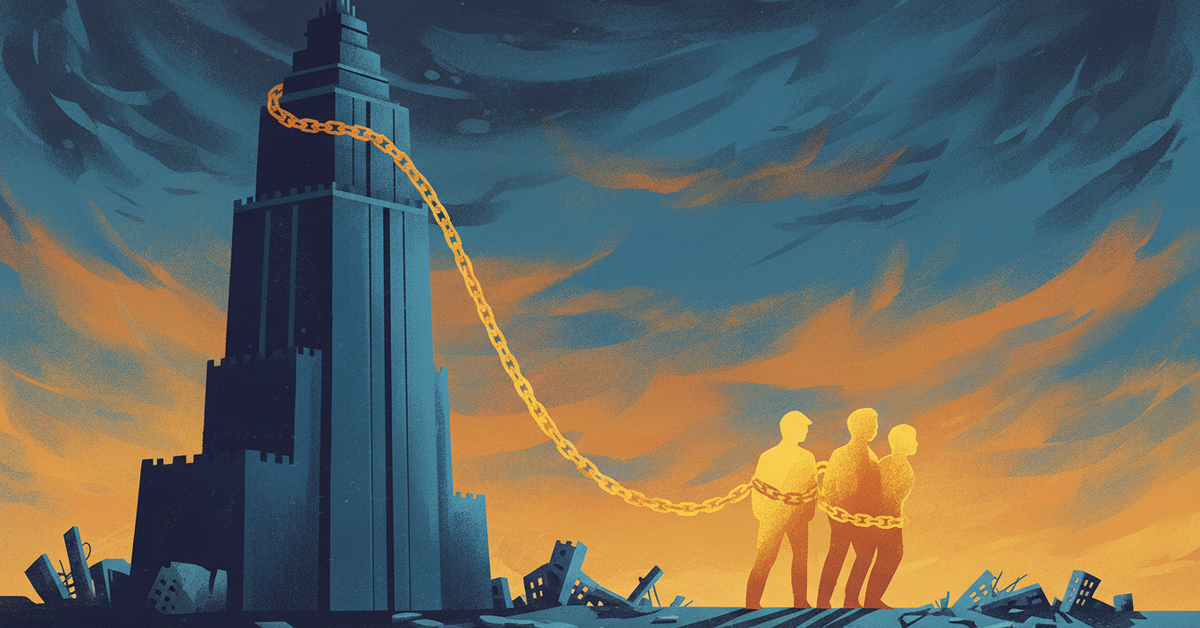
The reason is simple. The money has got smarter, or at least more risk-averse. During the boom years of cheap capital, investors funded hype and celebrity. Today they fund margins. The proof is in the price. M&A multiples in the beauty sector averaged 14.9x EV/EBITDA in 2025, a significant premium paid for proven profitability, not just a founder’s story. In private, venture capitalists now rank hypothetical “Famous Founder” brands with weak fundamentals far below less glamorous businesses with strong intellectual property. Founders in need of capital must accept partners who bring supply-chain expertise and financial discipline. They are trading control for survival.
M&A multiples in the beauty sector averaged 14.9x EV/EBITDA in 2025, a significant premium paid for proven profitability, not just a founder’s story.
Founder Control Shifts in Beauty M&A
Number of Brands
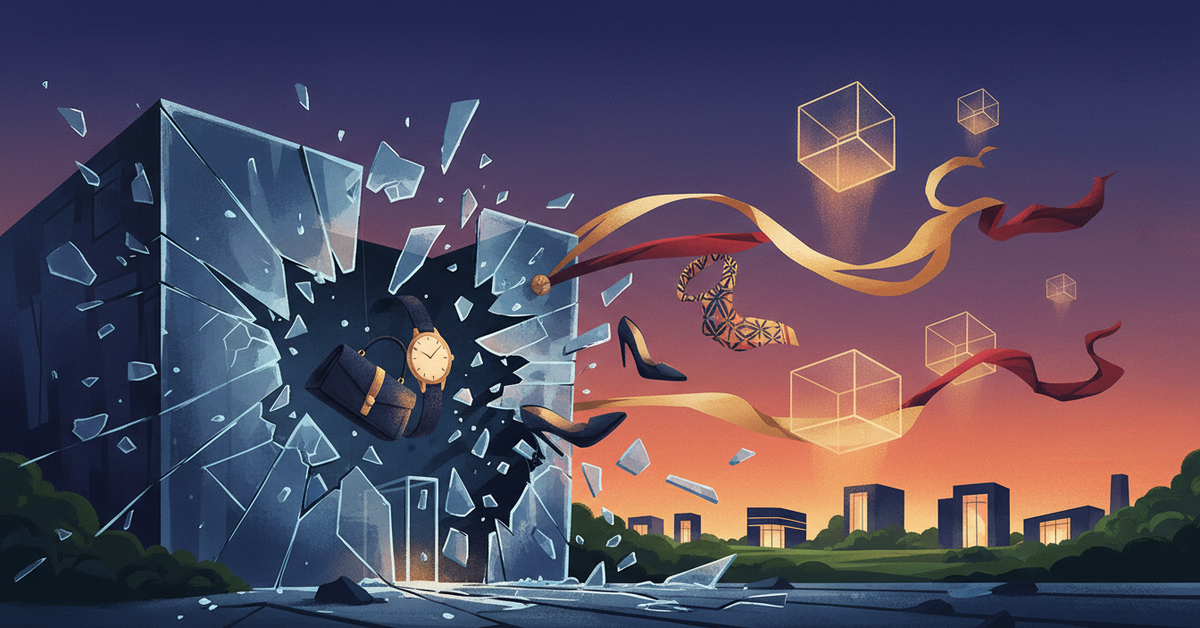
Nowhere is this strategic shift clearer than in the luxury sector's biggest realignment. In December 2025 L'Oréal, a beauty behemoth, struck a €4 billion deal with Kering, a fashion conglomerate. The agreement gives L'Oréal 50-year exclusive licenses to create beauty lines for Kering’s crown jewels: Gucci, Bottega Veneta and Balenciaga. It is a defensive masterstroke. L'Oréal buys decades of guaranteed cultural relevance. Kering outsources a division it lacks the scale to run, shoring up its balance sheet. The deal creates casualties. Coty, which holds the Gucci license until around 2028, now faces the eventual loss of a major revenue stream.
This new reality turns mergers and acquisitions into a defensive imperative. For legacy giants, it is a way to buy the innovation they can no longer generate internally. L'Oréal’s 2025 shopping spree also included Color Wow, a professional hair-care firm, and Medik8, a clinical skincare brand. These are bets on defensible formulas and existing communities. The strategy is to graft high-growth brands onto a sclerotic corporate body, hoping their vitality will mask its own decay.
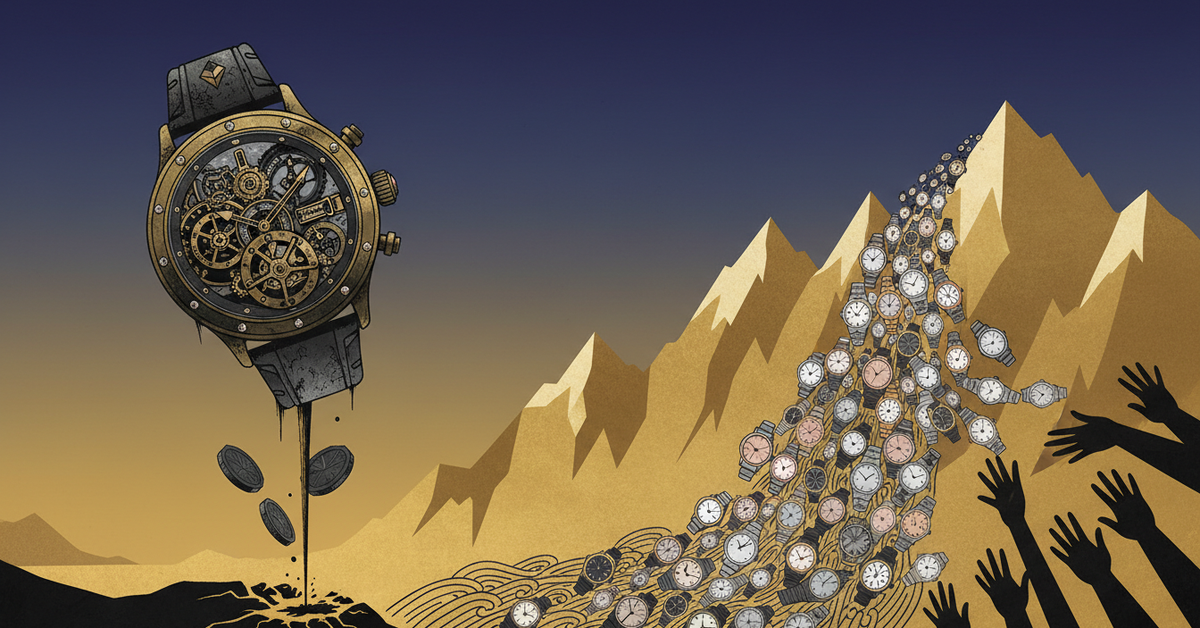
For smaller, more nimble players, the strategy is different. They are scavenging for parts. When the Canadian retailer Aritzia acquired the rights to Fred Segal in 2023, it did not buy a thriving business. It bought the brand’s intellectual property and its famous Los Angeles flagship store. The goal is to reanimate a culturally significant name, acquiring decades of brand equity for a fraction of the original cost. It is corporate archaeology.
To be sure, the founder’s magic has not vanished entirely. A creative vision is still the seed of any great brand. GDA Luma did not fire Pat McGrath; it kept her as the brand’s creative heart. Aritzia bought the Fred Segal name precisely because it still resonates. The new model tethers the creator to a financial minder, rather than ousting them completely. The aim is to pair the spark of genius with the cold reality of operational efficiency. But the terms of that partnership have been rewritten. The founder is no longer an absolute monarch, but a constitutional one, reigning while a professional prime minister governs.
This defensive posture extends beyond the ateliers and laboratories. E-commerce giant eBay’s acquisition of Depop, a resale app beloved by Gen Z, was an admission of its own limitations. Unable to build a platform that could capture the circular economy or the loyalty of young shoppers, it bought one instead. The deal gave eBay access to millions of active buyers it could not attract on its own. It is a costly, long-term wager on relevance—a purchase made from a position of anxiety, not strength.
The current wave of dealmaking is therefore not a sign of a vibrant, confident industry. It is the movement of a mature one, where growth is a zero-sum game. Conglomerates are buying lifeboats from nimbler startups, and opportunists are picking through the wreckage of once-great names. The creators who once defined culture are now just another line item on an acquirer’s balance sheet.