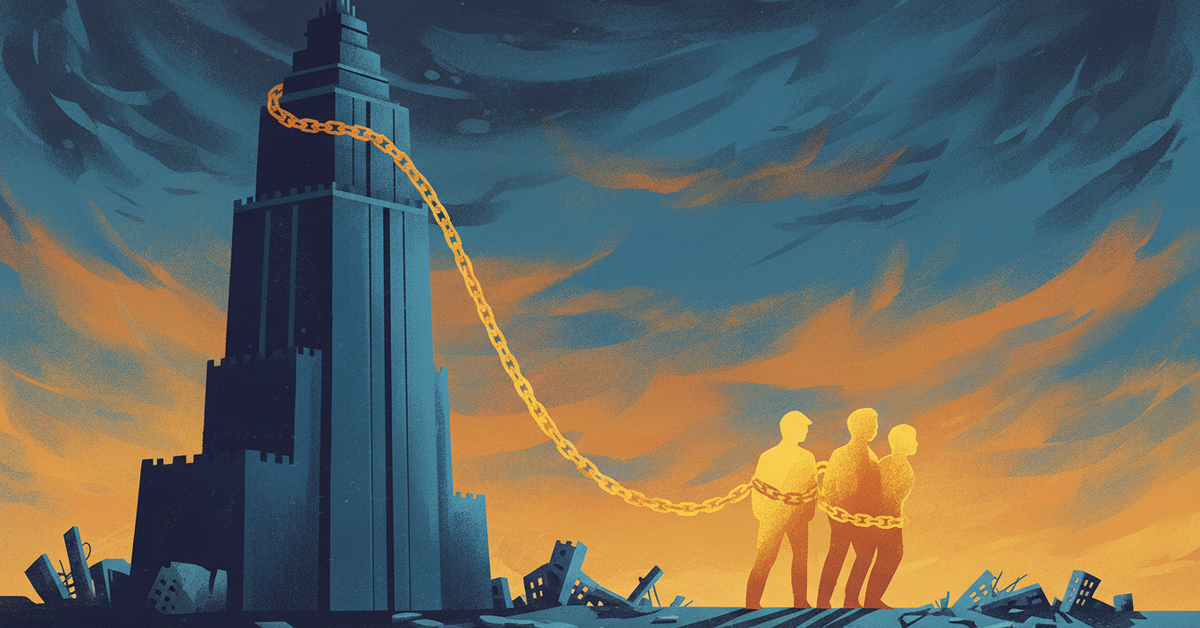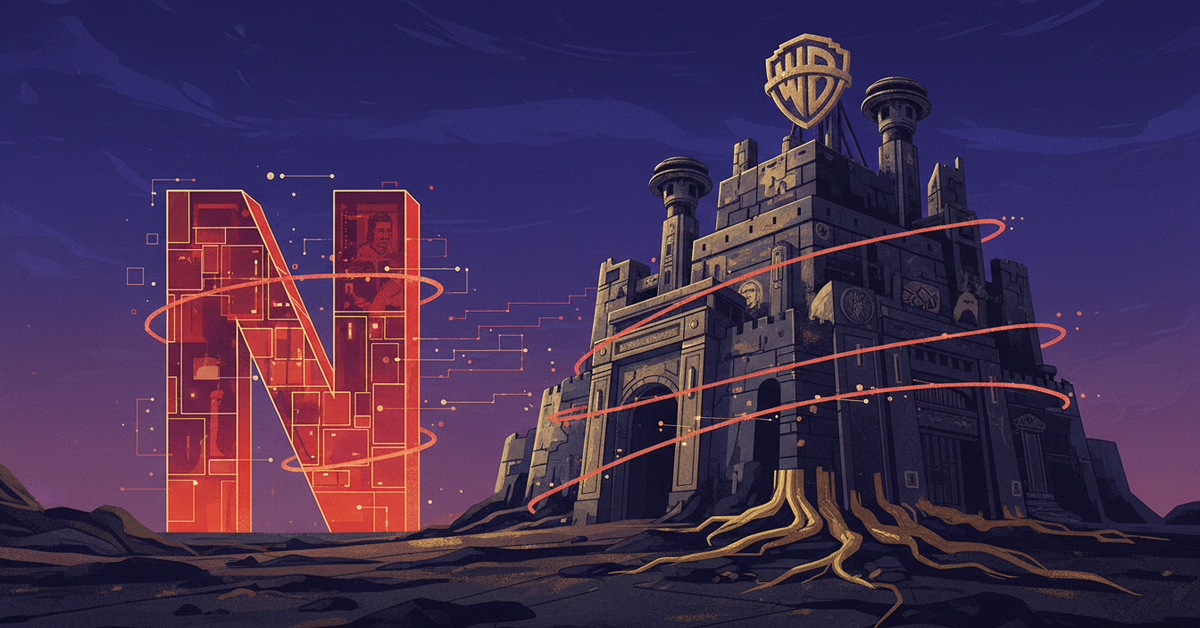
The future of streaming, it turns out, is a 100-year-old library. Netflix, a company built on algorithms, is bidding $82.7 billion not for a rival technology but for the cultural bedrock of Warner Bros. Discovery (WBD). For years, the Silicon Valley giant’s stated goal was to render the old studios obsolete, building a catalogue of original content so vast it would become Hollywood’s new centre of gravity. That strategy has been abandoned. The bet now is that durable intellectual property, not a superior user interface, is the ultimate source of power in entertainment.
The logic is brutally simple. Netflix spends over $17 billion a year on content, a firehose of cash that produces a handful of hits and a mountain of forgettable shows. The $82.7 billion offer for WBD’s core assets represents less than five years of that spending. But instead of another temporary slate of programmes, the purchase would secure permanent ownership of Batman, Harry Potter, “The Sopranos” and the entire HBO archive. Management calls it a “once-in-a-lifetime opportunity” to acquire “foundational, generational intellectual property.” It is a move to own the past, having concluded that building the future from scratch is too expensive and uncertain.
A decision is imminent. Paramount Skydance’s “best and final” offer for WBD is due today, February 23rd. Its proposal is a hostile, all-cash affair of at least $31 per share, valuing the entire company at over $108.4 billion. It presents WBD’s board, and its chief executive David Zaslav, with a straightforward exit from the firm’s crushing $43 billion of debt. David Ellison, Paramount’s boss, is applying public pressure, stating that “WBD shareholders deserve the opportunity to consider our excellent offer in cash for their shares of the whole company.” For Mr Zaslav, a dealmaker by trade, this is the clean win: a premium for shareholders and a solution to the balance sheet that has plagued his tenure.
The Department of Justice is investigating the potential deal under both Section 7 of the Clayton Act, for anticompetitive mergers, and Section 2 of the Sherman Act, which targets monopolisation.
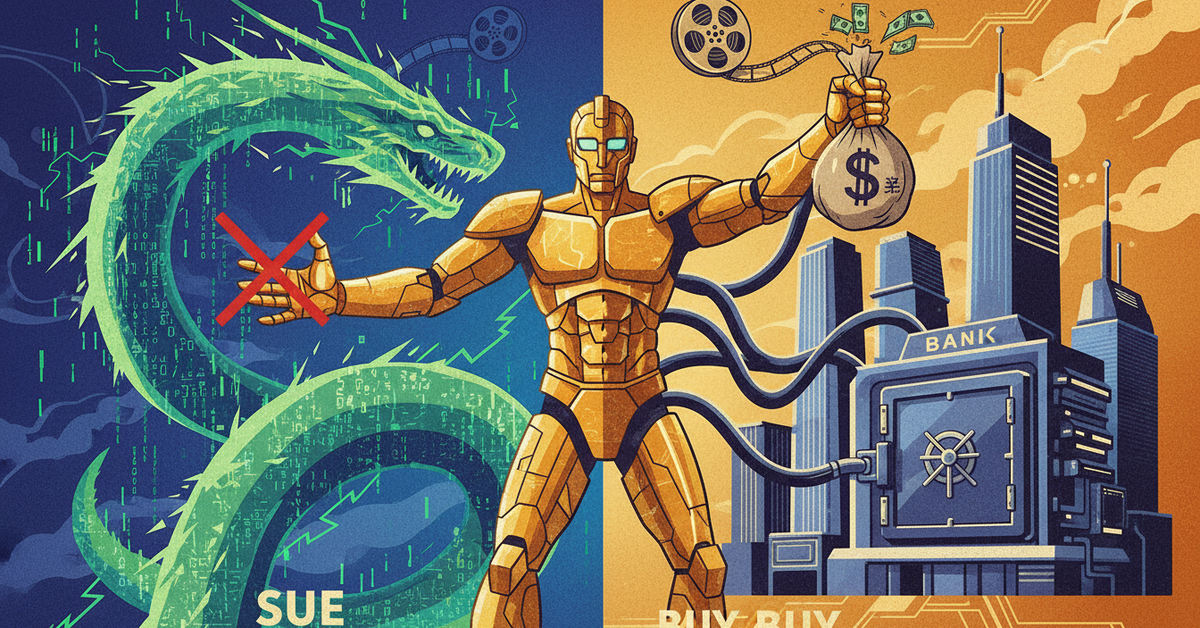
Netflix’s offer is more surgical, and more radical. It would acquire WBD’s prized streaming and studio assets while spinning off the declining but still profitable legacy cable networks. For Mr Zaslav and his board, this is the heart of the dilemma. The Paramount deal is a merger of legacy equals, a defensive huddle against the future. The Netflix deal is an admission of defeat, but also a chance to graft WBD’s creative engine onto the world’s most powerful distribution machine. It is a contest between a graceful exit and a risky transformation.
Netflix Content Engagement Trends
$ billions
To be sure, the safer path is the one Paramount offers. Its bid is backed by $54 billion in debt financing from a consortium including Apollo, Bank of America and Citi. It is a clean purchase of the whole company, promising fewer structural headaches. Crucially, Paramount argues it faces a smoother regulatory journey. The Hart-Scott-Rodino waiting period for its bid has already expired, a hurdle it presents as a sign of imminent clearance. For a board weighing the certainty of a deal closing, this is a powerful argument.
Yet that safety comes at the price of ambition. The Netflix proposal, by contrast, faces a forbidding gantlet in Washington. The Department of Justice is investigating the potential deal under both Section 7 of the Clayton Act, for anticompetitive mergers, and Section 2 of the Sherman Act, which targets monopolisation. Such a dual-pronged probe is unusual and signals deep concern that a Netflix-Warner combination could wield overwhelming power in both content production and distribution. For WBD’s board, the risk of a protracted, 18-month legal battle that ends in failure is immense. But the potential reward is participation in a growing global enterprise, not a consolidated legacy business managing its decline.
The strategic blueprint is Disney’s. By acquiring WBD’s franchises, Netflix can build the ancillary revenue streams that have long eluded it. Vertical integration becomes possible, from theatrical releases to merchandise, video games and theme parks. Owning the rights to the DC Universe and the Wizarding World provides a moat that no amount of tech spending can replicate. These are not mere shows; they are cultural institutions that justify long-term subscription price increases. For a service whose own hits, from “Stranger Things” to “Bridgerton”, can feel ephemeral, such permanence is priceless.
This reliance on established properties is already buried in Netflix’s own data. For years, the company has effectively been renting engagement from Hollywood’s archives. In the second quarter of 2024, licensed broadcast series, representing just 1% of its television catalogue, drew 7.1% of total demand. A year earlier, licensed shows accounted for fully half of all demand. The bid for Warner Bros. is a decisive move to convert that enormous operating expense into a permanent, unassailable asset.
The decision facing WBD’s board is therefore more than financial. It is a referendum on the future of Hollywood itself. One path leads to a defensive consolidation, a huddling together of old studios against the digital storm. The other cedes a century of cultural capital to the very force that disrupted it. The board's choice will determine not just who owns Hollywood's past, but who is permitted to write its future.